
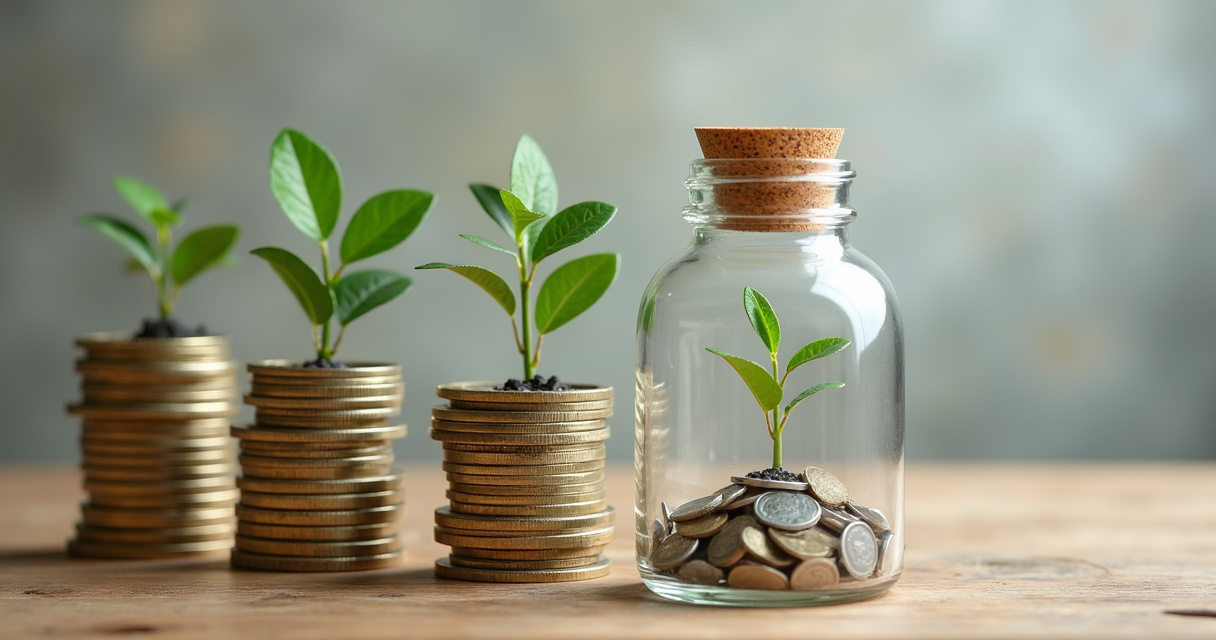
Financial independence is rarely the result of a single windfall; rather, it is the cumulative effect of consistent, disciplined financial decisions. Adopting simple money saving habits for everyday life transforms how individuals interact with their income, shifting the focus from reactive spending to proactive wealth accumulation. By implementing structured adjustments to daily routines, it becomes possible to optimize cash flow and secure a more stable economic future.
The Psychology of Automated Savings
Automation serves as a primary tool for bypassing the cognitive biases that often lead to impulsive spending. When a portion of a paycheck is automatically transferred to a high-yield savings account or an investment portfolio, the necessity for willpower is removed. This strategy aligns with the principles of behavioral economics, which suggest that individuals are more likely to save when the process is frictionless. Establishing a recurring transfer immediately upon receiving income ensures that savings goals are prioritized before discretionary expenses are addressed. This method effectively turns saving into a fixed expense rather than a residual activity.
Strategic Budgeting and Expense Tracking
Effective financial management relies on the accurate categorization of expenditures. Utilizing a zero-based budgeting approach requires every dollar of income to be assigned a specific purpose, whether for essential bills, debt repayment, or savings. Tracking expenses through digital tools or manual ledgers provides objective data on spending patterns. Identifying recurring subscriptions, dormant memberships, or excessive utility costs allows for immediate reduction in waste. Regularly auditing these expenses prevents “lifestyle creep,” where spending increases proportionally with income, thereby maintaining a healthy gap between earnings and outflows.
Comparison Table: Traditional vs. Optimized Spending Habits
| Category | Traditional Approach | Optimized Habit |
|---|---|---|
| Grocery Shopping | Buying based on impulse | Using a list and meal planning |
| Utility Usage | Passive consumption | Energy-efficient adjustments |
| Transportation | Frequent ride-sharing | Public transit or cycling |
| Subscriptions | Multiple unused services | Audited, essential-only access |
| Debt Management | Minimum payments only | Aggressive principal reduction |
Optimizing Daily Consumption Patterns
Small, frequent purchases often aggregate into significant annual expenditures. Adopting habits such as preparing meals at home, brewing coffee at home, and utilizing reusable items significantly reduces the cost of convenience. Meal planning, in particular, mitigates the financial impact of last-minute food choices, which are frequently more expensive and less nutritious. Furthermore, shifting toward bulk purchasing for non-perishable household goods lowers the unit price of essential items. These micro-adjustments, when applied consistently, generate substantial surplus capital over time.
Navigating Consumerism and Impulse Purchases
The retail environment is designed to trigger emotional spending. Implementing a mandatory waiting period-often referred to as the 24-hour or 30-day rule-before making non-essential purchases allows the initial impulse to subside. This period provides the necessary time to evaluate whether a purchase fulfills a genuine need or merely satisfies a transient desire. Researching alternatives, checking for refurbished options, or waiting for cyclical sales periods are effective methods for reducing the total cost of ownership for necessary appliances or electronics. Distinguishing between needs and wants remains the cornerstone of sustainable financial health.
Debt Repayment and Interest Minimization
High-interest debt represents a significant barrier to long-term financial growth. Prioritizing the repayment of credit card balances or high-interest loans is an essential component of money saving habits for everyday life. Utilizing the “avalanche method,” where debts are prioritized by interest rate, minimizes the total interest paid over the life of the loan. Alternatively, the “snowball method,” which focuses on clearing smaller balances first, provides psychological momentum. Both strategies require a commitment to living below one’s means to redirect excess funds toward principal reduction.
Long-Term Maintenance and Prevention
Preventative maintenance is a frequently overlooked aspect of personal finance. Neglecting the upkeep of vehicles, home appliances, or personal health often leads to expensive emergency repairs or medical costs. Regular service intervals for a car, changing air filters in an HVAC system, and maintaining a healthy lifestyle through diet and exercise are proactive measures that avoid catastrophic future costs. Investing time in these routine tasks acts as an insurance policy against the high price of neglect.
Frequently Asked Questions
How can one start saving money when living on a tight budget?
Begin by tracking every expense for 30 days to identify non-essential leaks. Prioritize high-interest debt and automate even small amounts of savings to build the habit.
What is the most effective way to reduce grocery costs?
Meal planning based on store circulars, purchasing generic brands, and avoiding shopping while hungry are proven methods to lower food expenditures.
How does debt impact the ability to save?
Debt interest compounds negatively, consuming capital that could otherwise be invested. Eliminating high-interest debt increases disposable income significantly.
Is it necessary to track every single penny?
While tracking every penny is ideal, focusing on major spending categories-housing, transportation, and food-typically yields the highest return on time invested.
When should one stop saving and start investing?
Once an emergency fund covering three to six months of expenses is established, excess savings should be directed toward long-term investment vehicles to combat inflation.
Conclusion
Cultivating simple money saving habits for everyday life is an iterative process that requires consistency rather than perfection. By automating savings, auditing expenditures, delaying gratification, and prioritizing debt reduction, individuals create a foundation for long-term fiscal resilience. These habits do not necessitate a life of deprivation; rather, they foster an environment where resources are allocated with intention and purpose. As these practices become ingrained, the cumulative effect on financial stability becomes evident, providing the freedom to focus on long-term goals and security. Maintaining these standards remains the most reliable path toward achieving sustainable wealth and economic independence.
