
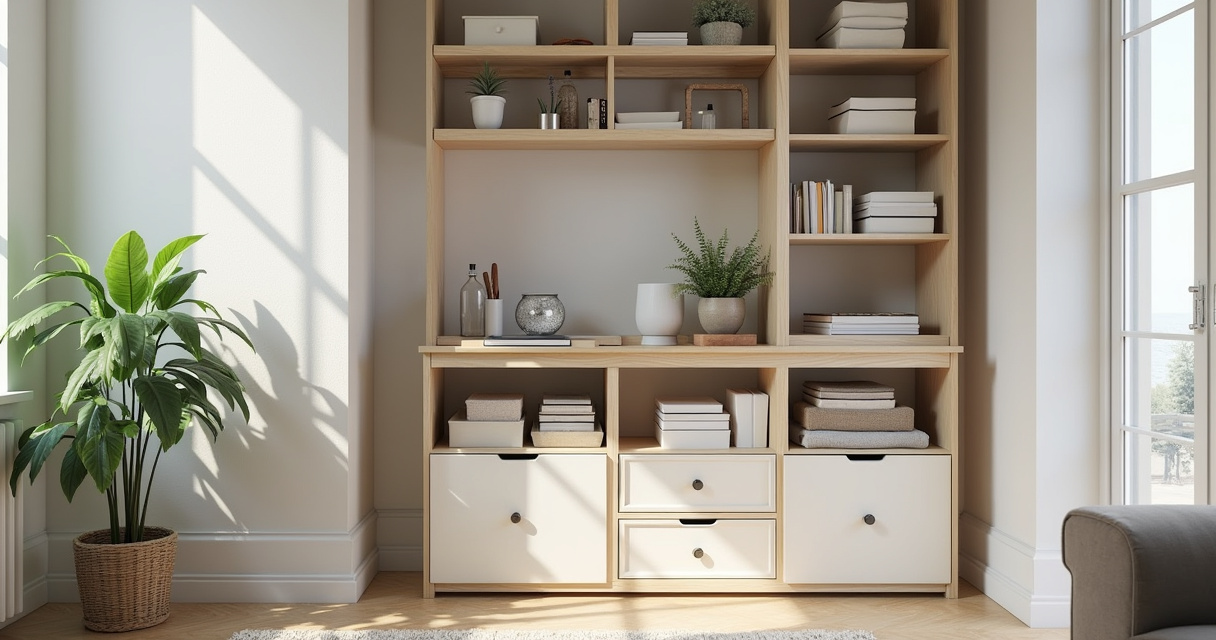
Modern living often requires adapting to limited square footage, where every inch must serve a distinct purpose. Implementing easy home organization ideas for small spaces transforms cramped quarters into efficient, serene environments. By focusing on vertical storage, multifunctional furniture, and consistent decluttering habits, residents can reclaim living areas without extensive renovations or costly additions.
The Strategy of Vertical Storage Utilization
When floor space is at a premium, the walls become the most valuable asset. Installing floor-to-ceiling shelving units allows for the storage of items that are not used daily, drawing the eye upward and creating an illusion of height. Wall-mounted desks provide a workspace that folds away when not in use, preventing the need for a dedicated office footprint.
Floating shelves are another essential component of vertical organization. These fixtures offer a minimalist aesthetic while providing platforms for books, decorative items, or kitchen essentials. By lifting items off the floor, the visual weight of a room decreases, resulting in a more open and breathable atmosphere. Pegboards, frequently utilized in workshops, are equally effective in kitchens or craft rooms to hang utensils, tools, or accessories, ensuring that frequently used items remain accessible while keeping counters clear.
Multifunctional Furniture for Compact Living
Furniture that performs dual roles serves as the backbone of an organized small home. A bed frame equipped with built-in drawers eliminates the need for bulky dressers, utilizing the neglected space underneath the mattress. Similarly, ottomans with hollow interiors provide hidden storage for blankets, pillows, or electronics, while functioning as extra seating or a makeshift coffee table.
Modular furniture allows for flexibility in tight layouts. Nesting tables can be spread out when guests arrive and stacked away to save space during daily routines. Sofa beds and murphy beds remain the gold standard for transforming a bedroom into a living area or home office. Investing in pieces that serve at least two functions prevents the accumulation of unnecessary furniture, which is the primary cause of clutter in restricted environments.
Categorization and Decluttering Techniques
Organization is impossible without a systematic approach to decluttering. The foundation of an efficient home involves evaluating the necessity of every item. A common methodology involves dividing belongings into categories: items to keep, items to donate, and items to discard. Maintaining this cycle ensures that the inventory of a home does not exceed its physical capacity.
Once the items are reduced, categorization becomes the next priority. Grouping similar objects-such as grouping all cleaning supplies in one bin or office supplies in a singular drawer-reduces the time spent searching for items. Clear, stackable containers are highly effective because they allow for immediate identification of contents. Labels provide an additional layer of order, ensuring that every object has a designated home, which simplifies the process of tidying up after use.
Comparison of Storage Solutions for Small Homes
| Solution Type | Primary Benefit | Best Use Case |
|---|---|---|
| Vertical Shelving | Maximizes wall space | Books, decor, pantry items |
| Under-bed Storage | Utilizes hidden floor area | Linens, seasonal clothing |
| Wall-Mounted Desks | Saves floor footprint | Home office, writing area |
| Stackable Bins | Improves visibility | Closets, utility rooms |
| Hanging Organizers | Clears horizontal surfaces | Shoes, accessories, utensils |
Optimizing Closets and Tight Entryways
The entryway is often the first point of congestion in a small home. Implementing a “landing strip” strategy-using wall hooks for coats, a slim console table for mail, and a shoe rack that fits inside a narrow closet-prevents items from piling up on chairs or floors. Keeping the floor clear of shoes and bags immediately makes a small entryway feel more inviting and organized.
Closet organization requires a similar focus on maximizing depth and height. Using slim, non-slip hangers increases the number of garments that can fit on a single rod. Adding shelf dividers prevents piles of folded sweaters from tipping over, while over-the-door organizers provide space for cleaning supplies, bathroom toiletries, or small accessories. Removing seasonal items and storing them in vacuum-sealed bags under the bed further optimizes the available closet space for current necessities.
Frequently Asked Questions
How can I make a small room look larger through organization?
The most effective way to make a room look larger is to keep floors clear. By moving items onto walls or into hidden storage, you reduce visual noise and create a sense of openness. Mirrors can also reflect light and space, enhancing the effect.
What is the best way to handle paper clutter in a small apartment?
Digitizing documents is the most efficient solution. For physical papers that must be kept, use a compact filing box or a wall-mounted file organizer to prevent stacks from forming on flat surfaces.
How often should I declutter a small space?
A consistent maintenance schedule is key. Performing a quick 10-minute decluttering session once a week prevents small messes from turning into overwhelming projects. Seasonal deep cleans are also recommended for auditing belongings.
Are there specific furniture types to avoid in small spaces?
Avoid furniture with heavy, solid bases that block light. Opt for pieces with legs that allow you to see the floor underneath, as this creates the perception of a larger room.
Maintaining Long-Term Organization
The success of easy home organization ideas for small spaces relies on the discipline of returning items to their designated locations. Once a system is established, the goal is to prevent “clutter creep,” where items gradually accumulate on surfaces. Regularly assessing the utility of new purchases before bringing them into the home is a proactive measure that sustains order.
By focusing on vertical storage, selecting the right furniture, and adhering to strict categorization, residents can create a home that feels spacious regardless of its actual size. Organization is a continuous process rather than a one-time task; it requires mindfulness about how space is used and a willingness to adapt layouts as needs change. When every object has a specific purpose and a defined home, the living environment becomes significantly more functional, allowing for a more focused and stress-free lifestyle.
