
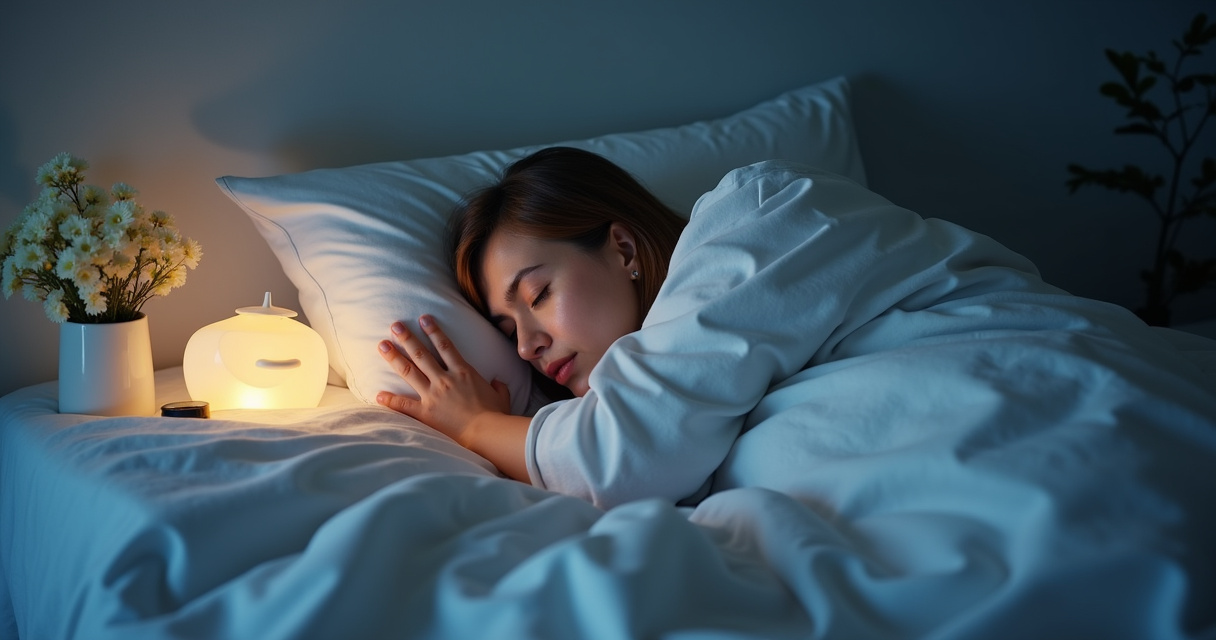
Quality sleep functions as the physiological foundation for health, cognitive performance, and emotional regulation. When the body fails to achieve restorative rest, the consequences manifest as impaired focus, weakened immune responses, and increased susceptibility to chronic health conditions. Improving sleep quality naturally involves a methodical adjustment of environmental cues, hormonal regulation, and behavioral patterns that signal to the brain that it is time to transition into a state of recovery. By aligning daily habits with the body’s internal clock, it is possible to achieve deeper, more consistent rest without reliance on pharmaceutical interventions.
Mastering the Circadian Rhythm Through Light Exposure
The human sleep-wake cycle, or circadian rhythm, is primarily governed by light. Exposure to natural sunlight early in the morning acts as a biological trigger that suppresses melatonin-the hormone responsible for sleep-and initiates the production of cortisol to boost alertness. Maintaining this rhythm requires consistent exposure to daylight during the early hours of the day. Conversely, the presence of blue light emitted by screens in the evening mimics sunlight, tricking the brain into delaying melatonin secretion.
To mitigate this, dimming indoor lighting as the evening progresses helps prepare the central nervous system for sleep. Implementing a “digital sunset” at least one hour before bed reduces cognitive stimulation and prevents the suppression of natural sleep hormones. When the environment darkens, the pineal gland begins to produce melatonin, facilitating a smoother transition into the initial stages of sleep. Consistency in this cycle, even on weekends, reinforces the body’s internal clock, making it easier to fall asleep and wake up at desired times.
Optimizing the Bedroom Environment for Restorative Sleep
The physical space where sleep occurs serves as a critical variable in the quality of rest. A bedroom should ideally be treated as a sanctuary dedicated solely to sleep. Temperature regulation is perhaps the most overlooked factor in this process. Research consistently indicates that a cooler room temperature, typically between 60 and 67 degrees Fahrenheit, supports the body’s natural drop in core temperature required for deep sleep.
Noise control and light management further enhance the sleep environment. Using blackout curtains to eliminate streetlights or early morning sun prevents premature awakening. For those residing in noisy urban areas, white noise machines or earplugs can mask disruptive sounds that might otherwise trigger a fight-or-flight response, leading to micro-awakenings. Furthermore, maintaining a clutter-free space reduces visual stimuli, contributing to a psychological state of calm before bed. The goal is to remove any environmental stressors that might prevent the body from entering the deeper stages of non-REM sleep.
Dietary Habits and Their Impact on Sleep Architecture
What is consumed throughout the day directly influences the ability to achieve deep sleep. Caffeine is a central nervous system stimulant that blocks adenosine receptors in the brain. Adenosine is a chemical that builds up throughout the day to create “sleep pressure.” Because caffeine has a relatively long half-life, consuming it in the afternoon can prevent this sleep pressure from reaching the threshold necessary for sleep onset.
Alcohol, while often perceived as a sedative that aids in falling asleep, significantly disrupts sleep architecture. It reduces the duration of Rapid Eye Movement (REM) sleep, which is essential for memory consolidation and emotional processing. Additionally, large or heavy meals consumed too close to bedtime can cause indigestion and acid reflux, both of which are common physical barriers to staying asleep. Opting for a light snack if hunger is present, and ensuring adequate hydration throughout the day rather than at night, helps avoid sleep fragmentation caused by digestive discomfort or the need to use the bathroom.
Comparison of Sleep Hygiene Practices
| Practice | Primary Benefit | Timing/Implementation |
|---|---|---|
| Morning Sunlight | Resets circadian rhythm | Within 30 minutes of waking |
| Digital Sunset | Increases melatonin production | 60 minutes before bed |
| Temperature Control | Facilitates core body cooling | Throughout the night |
| Caffeine Cut-off | Prevents adenosine receptor blocking | 8-10 hours before sleep |
| Physical Activity | Increases deep sleep duration | Morning or afternoon |
Physical Activity and Stress Management Techniques
Regular physical activity is a potent tool for improving sleep quality. Exercise helps regulate the circadian rhythm and promotes the release of endorphins, which can reduce anxiety. However, the timing of exercise matters. High-intensity workouts performed late in the evening may elevate core body temperature and heart rate, potentially delaying sleep onset. Engaging in moderate activity during the morning or early afternoon provides the necessary physical fatigue to encourage deeper sleep without the stimulating effects of late-night exertion.
Beyond physical movement, mental preparation for sleep is essential. If the mind remains active with ruminative thoughts, the body stays in a state of high arousal. Implementing relaxation techniques such as progressive muscle relaxation, deep breathing exercises, or meditation can shift the autonomic nervous system from a sympathetic (stressed) state to a parasympathetic (relaxed) state. These practices act as a signal to the brain that the day has concluded, allowing the body to relax its muscles and slow its heart rate in preparation for rest.
Addressing Common Sleep Questions
How long does it take for natural sleep changes to show results?
Consistency is key. While some individuals notice improvements within a few days of adjusting their light exposure and caffeine habits, it often takes two to three weeks of dedicated routine to fully reset the circadian rhythm and see significant changes in sleep architecture.
Is napping beneficial or harmful to sleep quality?
Napping can be a useful tool if kept short-between 15 and 20 minutes-and performed early in the afternoon. Napping for longer periods or late in the day can reduce the “sleep pressure” needed to fall asleep at night, leading to insomnia or fragmented sleep.
What should be done if sleep is still elusive?
If environmental and behavioral changes do not lead to improved sleep, it is advisable to consult a healthcare professional. Chronic sleep issues may stem from underlying conditions such as sleep apnea or restless leg syndrome, which require medical evaluation beyond lifestyle adjustments.
Does reading before bed help or hinder sleep?
Reading a physical book or using a device with a warm-light setting is generally beneficial, provided the content is not overly stimulating. Engaging in a quiet, low-arousal activity helps decouple the brain from the stresses of the day.
Establishing Sustainable Sleep Patterns
Achieving high-quality sleep is not the result of a single intervention but rather the accumulation of small, consistent actions that support the body’s natural biological requirements. By prioritizing morning light, maintaining a cool and quiet bedroom environment, being mindful of dietary stimulants, and incorporating relaxation techniques, it is possible to significantly enhance the restorative nature of nightly rest.
The transition to better sleep quality naturally requires patience and a commitment to observing how the body responds to specific changes. When these habits are integrated into a daily routine, they become second nature, creating a sustainable foundation for long-term health. The objective is to work with the body’s innate processes rather than against them, ensuring that every night provides the recovery necessary to function at an optimal level during the day. Focusing on these simple ways to improve sleep quality naturally fosters a more resilient and energized approach to daily life.
